Cookware selections can sense unending, but two names have stuck the highlight for their can provide of hybrid functionality: Cookcell and HexClad. Both brands pitch a fusion of chrome steel and nonstick merits, aiming to catch dwelling house cooks who crave versatility with out compromise. The question is not really just which pan looks more effective to your stovetop, but which one essentially supplies if you happen to’re browning white meat thighs or flipping pancakes at 7 a.m.
Having spent truly time with each lines in my very own kitchen and after talking with fellow lovers, I’ve came upon that the changes between Cookcell and HexClad cross deeper than surface-level marketing. From searing force to cleanup workouts, here’s what you needs to understand until now you buy.
Hybrid Cookware: What’s the Big Deal?
Traditional nonstick pans are smooth to apply but lose their coating over the years. Stainless metal excels at searing and durability, however cleanup can scan any one’s staying power. Hybrid cookware attempts to bridge those worlds by way of combining layers or patterns of chrome steel with nonstick surfaces. The goal: get a pan demanding satisfactory for metallic utensils and sizzling oven finishes, but slick satisfactory that eggs slide off without scraping.
Both Cookcell and HexClad marketplace themselves as “hybrid.” The premise is comparable - a honeycomb or lattice sample of raised stainless overlaid on a nonstick base. This strategy claims to safeguard the nonstick from scratches whereas enabling direct browning contact in which it topics.

But hybrid isn’t all the time synonymous with worry-unfastened or indestructible. Let’s see how each model methods this engineering main issue.
Design Details: A Closer Look
Set a Cookcell skillet subsequent to a HexClad, and also you’ll spot a number of similarities at first glance: the two gleam with reflected steel sides and educate off their unique patterned interiors. On nearer inspection, alterations screen themselves in heft, manage design, or even the feel under your fingertips.
Cookcell uses 3 bonded layers (stainless-aluminum-stainless), giving it an even heating center that spans https://www.cookwarereviewhub.com/cookcell-vs-hexclad-which-cookware-reigns-supreme/ the base and up the sidewalls. Its hexagonal development is pressed into the ideal layer of chrome steel, sitting above a German-made ceramic-bolstered nonstick floor. The handles perspective upward with a mild flare at the quit for grip safety.
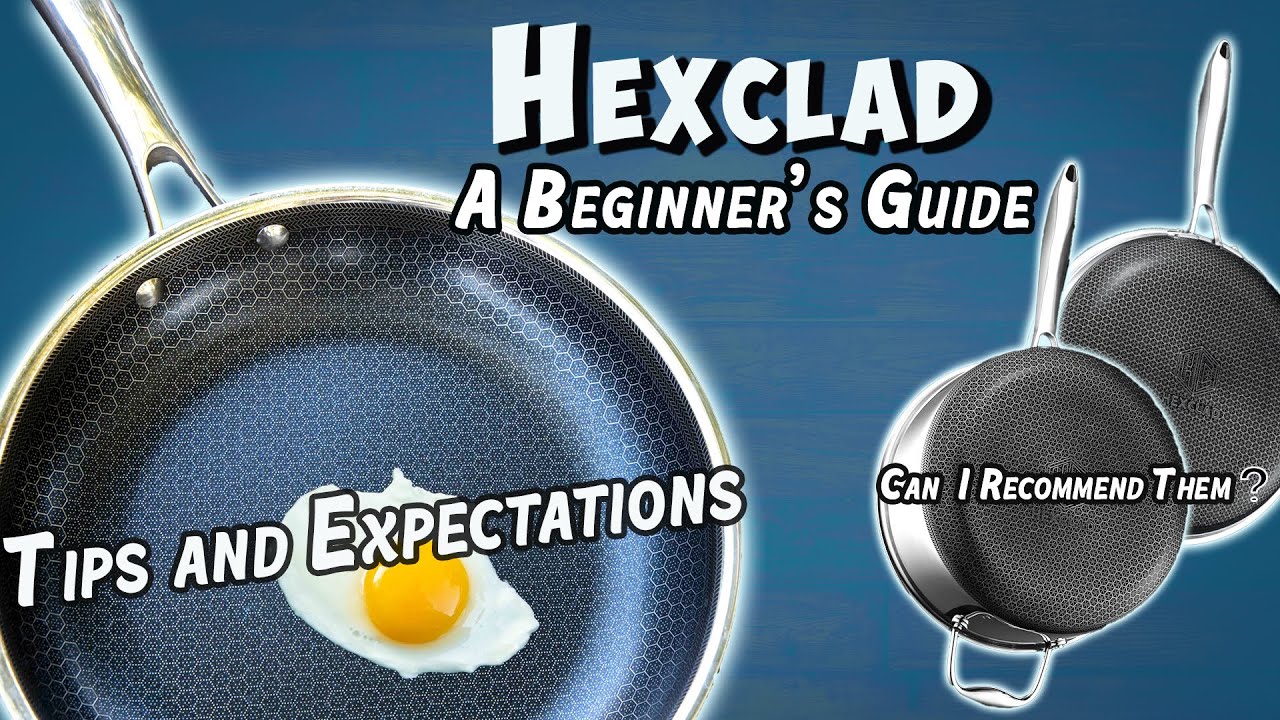
HexClad also functions tri-ply development yet touts its laser-etched hexagon grid as its signature function. Their lattice creates tiny wallet of uncovered stainless-steel surrounded with the aid of valleys of PTFE-based (Teflon) nonstick coating. Handles have a tendency toward straight rather then angled designs; some clients to find them less ergonomic for the time of lengthy projects.
Weight-shrewd, both manufacturers fall into the “forged however now not backbreaking” class. My 10-inch HexClad weighs just beneath 2 kilos eleven ounces; the related Cookcell is available in slightly lighter via kind of three oz per pan dimension in my checks.
Cooking Performance: Sear, Sauté, Simmer
How do those fancy patterns translate to really cooking? I ran both pans using time-honored paces - browning proteins, scrambling eggs, simmering tomato sauce - looking out high warmth in addition to light warming.
Searing Power
Here’s the place stainless ingredients may still shine. Both pans get scorching instant on gasoline and induction due to their aluminum cores. With white meat breasts or steak information dropped onto preheated pans (medium-high for five mins), either introduced mentioned Maillard browning inside 3 mins in keeping with edge.
HexClad’s uncovered stainless patches regarded to supply marginally deeper grill marks in comparison to Cookcell’s extra sophisticated impression. That stated, neither matched an all-clad stainless skillet for authentic crust pattern - hybrid manner compromise here.
Nonstick Release
Eggs are notoriously revealing on the subject of true nonstick means. Starting with minimum oil (half a teaspoon), I cooked sunny-edge-u.s.in equally pans again-to-back over medium-low warm.
Cookcell released eggs extra cleanly out of the container; yolks slid free devoid of breaking once cooled for 30 seconds post-cooking. HexClad required a slightly greater coaxing with a spatula side on first use however more desirable after seasoning in keeping with corporation guidelines (a mild rub down with oil at medium warm).
Pancakes advised a an identical story - preliminary liberate went smoother on Cookcell but evened out after repeated use on the two manufacturers.
Heat Distribution
Hot spots can ruin tender sauces or reason choppy browning on fish fillets. Here’s the place tri-ply creation pulls its weight.
Simmering tomato sauce for thirty minutes didn’t scorch either pan; stirring discovered no burnt earrings round the sides or heart swimming pools of caught bits on low-medium flame. Both disbursed warm flippantly across bases in keeping with infrared thermometer readings - within +/-6°F variance area-to-heart at constant simmer.
Oven Use
Both strains claim oven safe practices as much as 500°F (regardless that lids frequently have diminish tolerances). I accomplished frittatas lower than broilers via both manufacturer; neither warped nor lost their slickness afterward.
Durability: How Do They Hold Up?
No piece of cookware remains pristine continually - peculiarly when you cook dinner continuously or in certain cases put out of your mind approximately dinner unless whatever thing starts offevolved smoking.
After six months’ alternating use (kind of 2-four times in keeping with week), the following are some functional observations:
- Scratch Resistance: Using metallic spatulas left barely perceptible marks on each surfaces however no gouges or flaking. Nonstick Longevity: Early slickness faded fairly quicker on HexClad after heavy tomato-dependent dishes; fried cheese commenced sticking faintly by month 5 unless oiled generously. Dishwasher Survival: While technically dishwasher risk-free, the two brands put forward hand washing for durability; working them simply by weekly cycles did not lead to visible pitting or peeling all through my trial era. Rivet Grime: Food particles collects round rivets inner both brands’ pans over time; generic scrubbing is required irrespective of adaptation.
Neither pan constructed warping or unfastened handles inside of part a 12 months - so far so incredible through hybrid necessities.
Cleaning Experience: Day-to-Day Reality
The big promise at the back of any hybrid pan is straightforward cleanup devoid of babying subtle surfaces.
In certainty, most caught-on bits wiped away truthfully with heat water and mushy sponges after well-known frying projects like hen tenderloins or tofu cubes in teriyaki sauce.
Egg residue ought to require a further soak in HexClad if allowed to cool perfectly formerly cleaning; Cookcell launched dried egg more easily in my knowledge.
For caramelized sugar incidents (imagine French toast mishaps), neither emerged spotless after first rinse - equally considered necessary gentle scrubbing pads plus elbow grease around ridges wherein sugar pooled against hex grids.
One routine annoyance: meals debris wedging into patterned valleys require close concentration all through washing when compared to glass-comfortable classic nonsticks like Scanpan or GreenPan Premier strains.
Price Points & Value Proposition
Sticker shock hits complicated when shopping either line on-line or at distinctiveness sellers.
As of early 2024:
- A single 10-inch HexClad skillet retails round $140-$160 USD relying on gross sales channels. A in a similar fashion sized Cookcell in many instances lists among $one hundred twenty-$one hundred forty USD. Full units (three pieces) run $three hundred-$four hundred+ for both logo.
On paper, HexClad costs moderately more consistent with piece than Cookcell throughout sought after sizes - but costs vary all over gross sales occasions like Black Friday or Amazon Prime Day revenue home windows.
Are you getting what you pay for? If finances is proper priority and you desire just one flexible skillet in place of a full set overhaul, paying $20 less may not sway your decision much given years of doable use beforehand.
Warranty Support & Customer Service
Both carriers present restrained lifetime warranties masking production defects together with address separation or noticeable delamination unrelated to misuse (consider top warmness empty burning).
From direct expertise:
Cookcell resolved an inquiry approximately minor discoloration inside one pan within four days by email aid, providing counsel as opposed to speedy substitute for the reason that no structural failure happened yet.
HexClad responded right now whilst asked about lid match topics of their blend sets - they shipped out a new lid within two weeks at no payment after confirming buy small print by footage and receipts submitted on-line.
Warranty first-class print does not canopy harm from steel utensils used aggressively nor dishwasher-induced corrosion if categorized “hand-wash instructed.” Keep those caveats in mind when weighing long-time period funding magnitude towards day by day put on-and-tear realities.
Pros & Cons Side-by using-Side
Lists every so often make clear key differences more advantageous than paragraphs alone can organize:
| Feature | Cookcell | HexClad | |----------------------|-------------------------------------------|-------------------------------------------| | Pattern | Pressed hexagons atop ceramic-strengthened nonstick | Laser-etched hexagons over PTFE/Teflon | | Construction | Tri-ply | Tri-ply | | Oven Safe | Up to 500°F | Up to 500°F | | Nonstick Feel | Smoother out-of-box | Improves after seasoning | | Weight | Slightly lighter | Slightly heavier | | Price | ~$120-$one hundred forty per skillet | ~$a hundred and forty-$160 according to skillet | | Warranty | Limited Lifetime | Limited Lifetime |
And the following are 5 life like strengths viewed for the time of testing:
Reliable browning with no noticeable sticking Handles average oven finishing Accepts metal utensils more advantageous than pure nonsticks Resists warping under factual-international dwelling use Cleans up speedy until nutrition will get trapped in grid valleysTrade-Offs You Should Consider
No cookware is ideal for every kitchen scenario or prepare dinner taste:
If your foremost predicament is wonderful egg unlock each and every morning with zero oil wished and no staying power for scrubbing first-rate grooves in a while, vintage Teflon nevertheless wins out short time period - however it is going to wear down quickest less than heavy use or dishwasher runs.
If you mainly sear thick steaks at excessive warmth then deglaze exact away for pan sauces, hybrids like Cookcell vs HexClad break up the big difference between forged iron intensity and straightforwardness-of-use found out in state-of-the-art coatings however won’t exceedingly event both excessive by myself.
Budget-mindful purchasers also can balk at hybrid pricing versus first rate clad stainless skillets ($60-$ninety) paired with low-priced throwaway Teflon frypans ($20). Yet if cabinet house is tight or you favor one do-it-all workhorse that survives on a daily basis breakfast-via-dinner service with no fussing over which software fits today’s meal plan most suitable — hybrids justify greater up-entrance expense because of sheer flexibility.
Which One Wins? Verdict from Real Kitchens
After residing with the two manufacturers area-by-facet by way of months of meal prep chaos — rushed weeknight stir-fries, sluggish Sunday brunches — I’d sum up their cut up this means:
Cookcell leans more convenient out-of-the-box for an individual who prioritizes trouble-free eggs each and every morning with no seasoning rituals required until now. It feels somewhat lighter in hand when flipping crepes midair (if that’s your factor) and gives purifier preliminary unlock thanks most likely to its ceramic-bolstered finish under those hex ridges.
HexClad rewards patience — it develops improved efficiency over the years as oils season into its PTFE valleys just like antique-school carbon metallic does (despite the fact that not fairly as dramatically). Its grid makes it feel robust satisfactory for steak nighttime abuse via anything spatula takes place nearby at the same time still letting sauce aid ensue without panic approximately burned-on residue — furnished you don’t brain a few added scrubbing attempt now after which around those etched crevices.
Final Thoughts Worth Considering Before You Buy
Choosing among Cookcell vs Hexclad comes down less to hype than trustworthy self-appraisal: Are you chasing most comfort particularly else? Do aesthetics matter greater than expense-according to-pan? Are you keen to position up with periodic deep-cleans if it manner fewer scratched coatings?
Either company will serve maximum homestead chefs admirably given practical expectancies about what “hybrid” supplies — mighty all-round functionality rather then outright mastery at any unmarried activity.
If pressed: For user-friendly mornings and minimal finding out curve top out of the field, lean closer to Cookcell. For chefs who prize ruggedness plus improve potential after breaking-in — above all followers of steakhouse-flavor crusts — HexClad contains factual allure.

My possess on a regular basis rotation now comprises one skillet from every one line seeing that commonly compromise tastes wonderful served two ways — crispy-edged eggs as of late with basic go with the flow tomorrow.
Whichever route you're taking between these hybrids grants years spent savoring ingredients rather then dreading cleanup — which feels like progress price applauding from any kitchen bench.